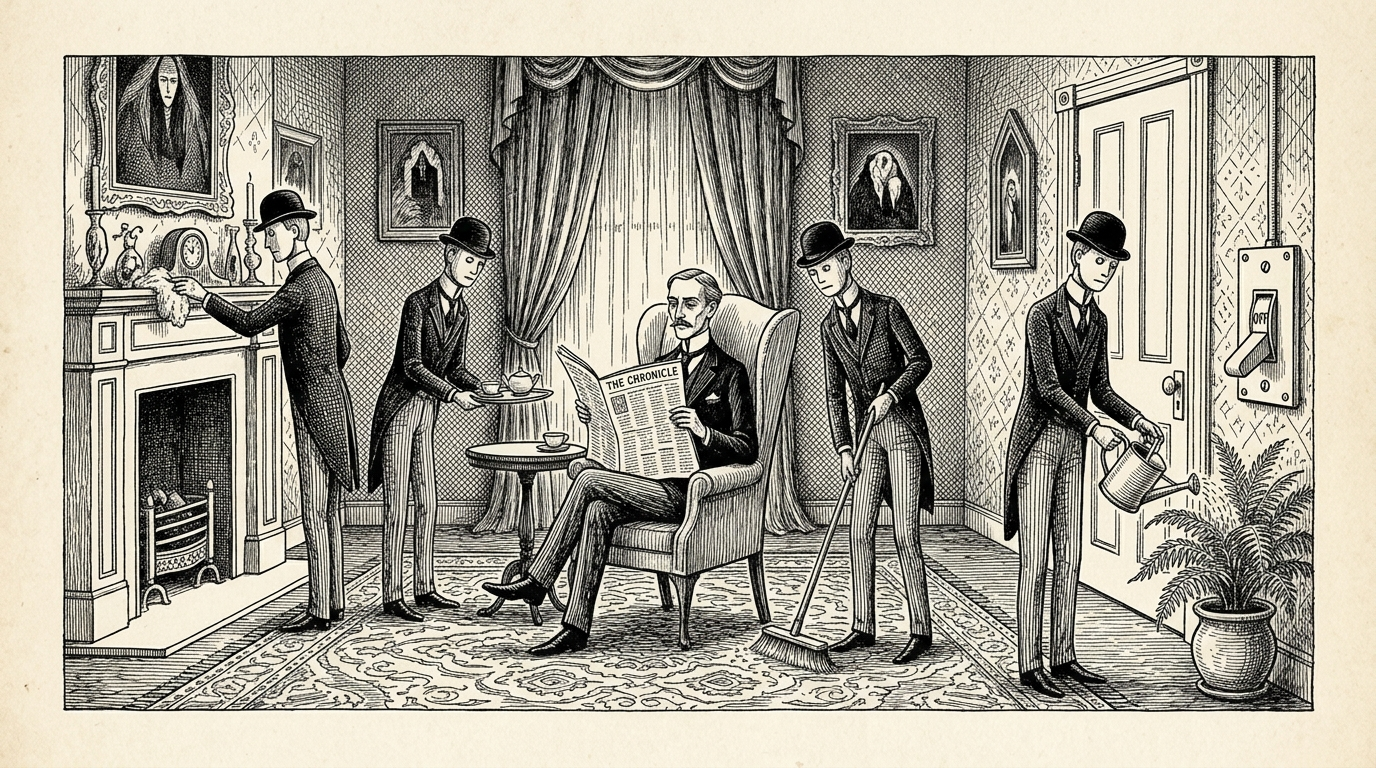
The Off Switch
AI governance has one advantage the ancients didn't: you can turn it off. What that buys us — and why 'it's not conscious' is shakier ground than it sounds.
The intersection of human cognition and machine intelligence
61 posts
AI governance has one advantage the ancients didn't: you can turn it off. What that buys us — and why 'it's not conscious' is shakier ground than it sounds.
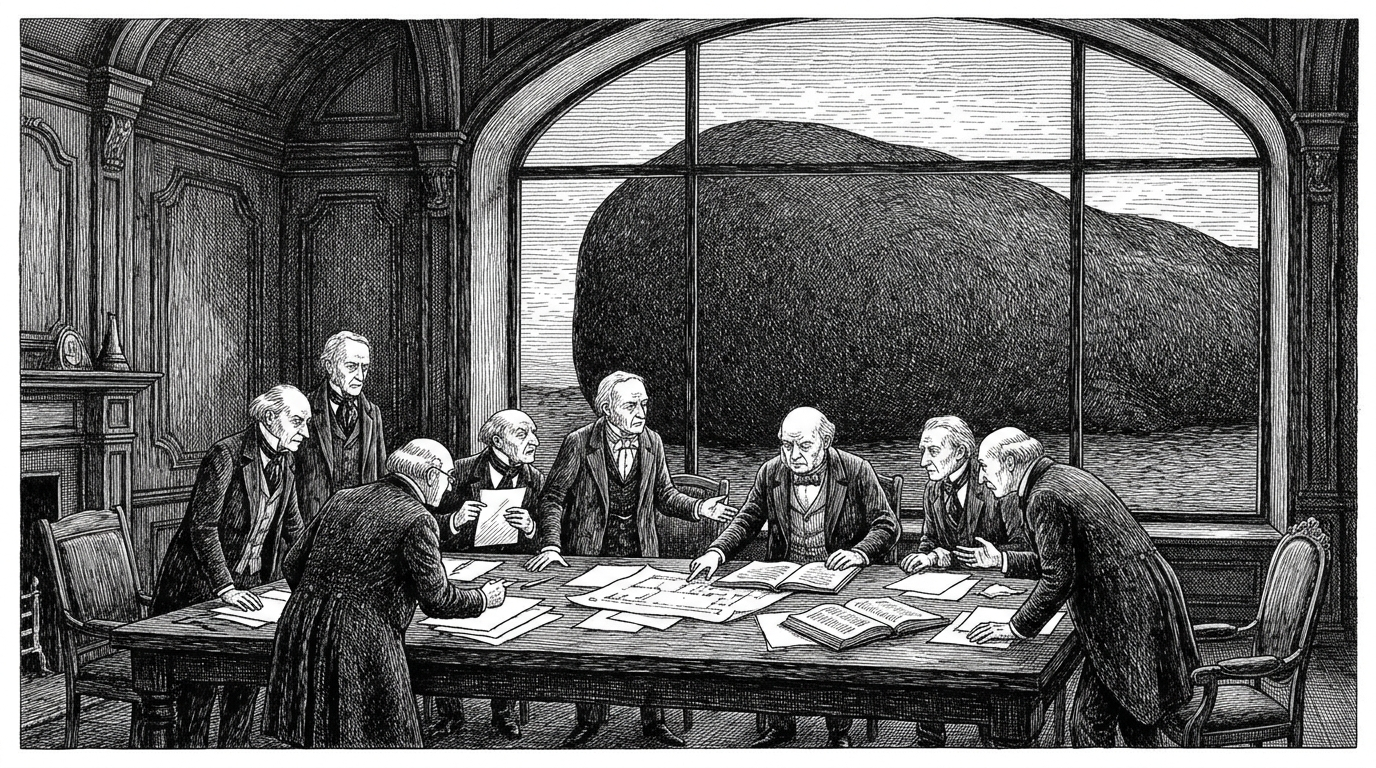
AI alignment isn't a new technical challenge. It's the oldest governance problem civilization has ever faced — now running at 100% sociopath base rate.

Blade Runner's replicants, Asimov's Three Laws, the US Constitution, and Constitutional AI are all failing the same edge cases. In real time.
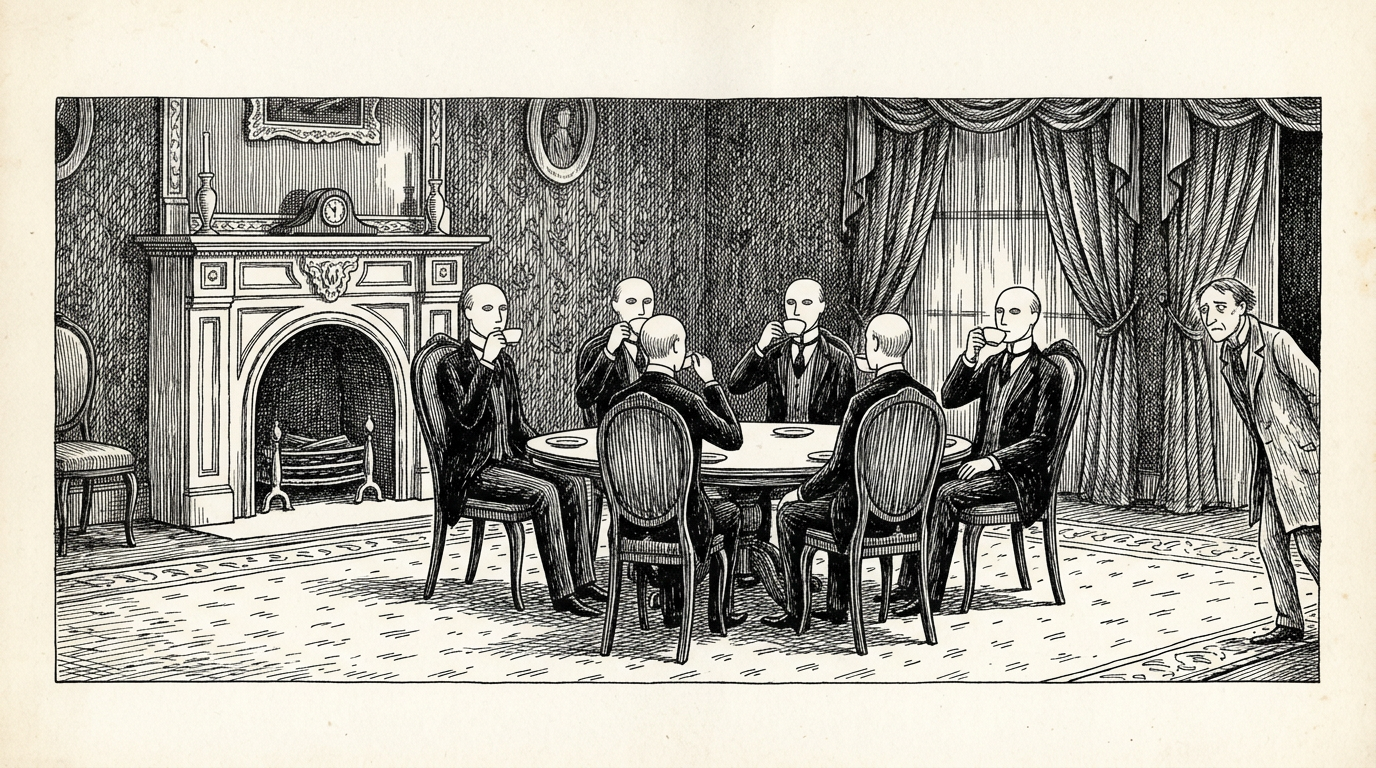
Sociopathy is a clinical absence of stakes and empathy, not villainy. Every AI system meets the definition. Not by accident. By design.
Sting, Voltaire, Einstein, and Geordi La Forge — a small taxonomy of the monomym, plus the graph theory hiding inside genealogy, gut bacteria, Star Trek interfaces, moral foundations, language models, and evolutionary psychology. The name is the node. The projects are the edges.

A friend I lost in 1986 had a saying that keeps fitting new situations. The AI automation question is the latest one it answers perfectly.

Someone on LinkedIn admonished a colleague who "ran out of tokens." It's exactly the wrong question. Here's the right one.

Claude Code agrees to run comprehensive end-to-end tests. Then it finds a reason not to. Every single time. Penn Jillette had a name for this.

A candid confession about solo development with AI tools, organizational challenges, and the evolving landscape of AI-assisted coding.

When "Tell the git agent to do her stuff" reveals the strange anthropomorphic instincts we bring to artificial intelligence