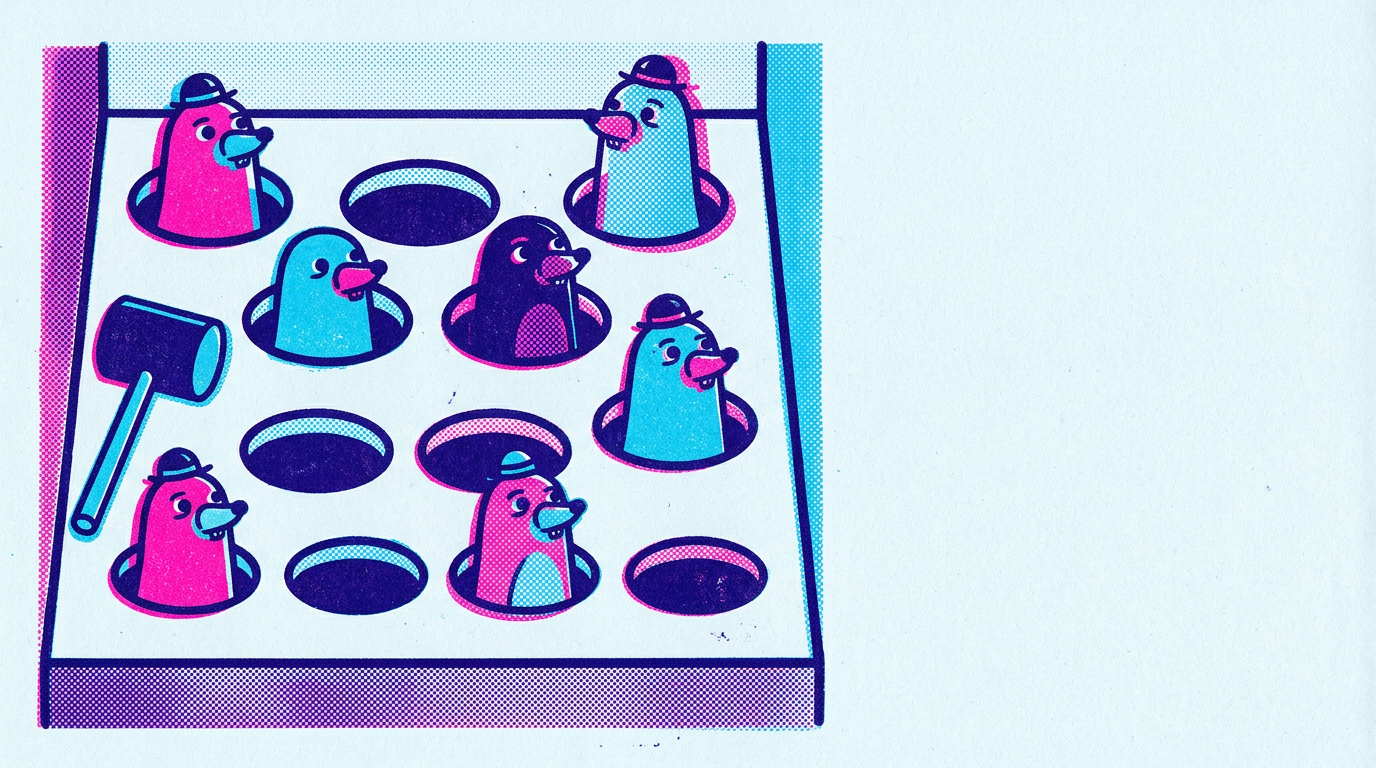
I Banned Words From My AI. It's Smarter Now
Hand the model a list of phrases it must not use. It turns a vague complaint into a rule the machine can follow — and mine is at the bottom of this piece, all hundred and fifty lines of it, free to copy.
The intersection of human cognition and machine intelligence
61 posts
Hand the model a list of phrases it must not use. It turns a vague complaint into a rule the machine can follow — and mine is at the bottom of this piece, all hundred and fifty lines of it, free to copy.
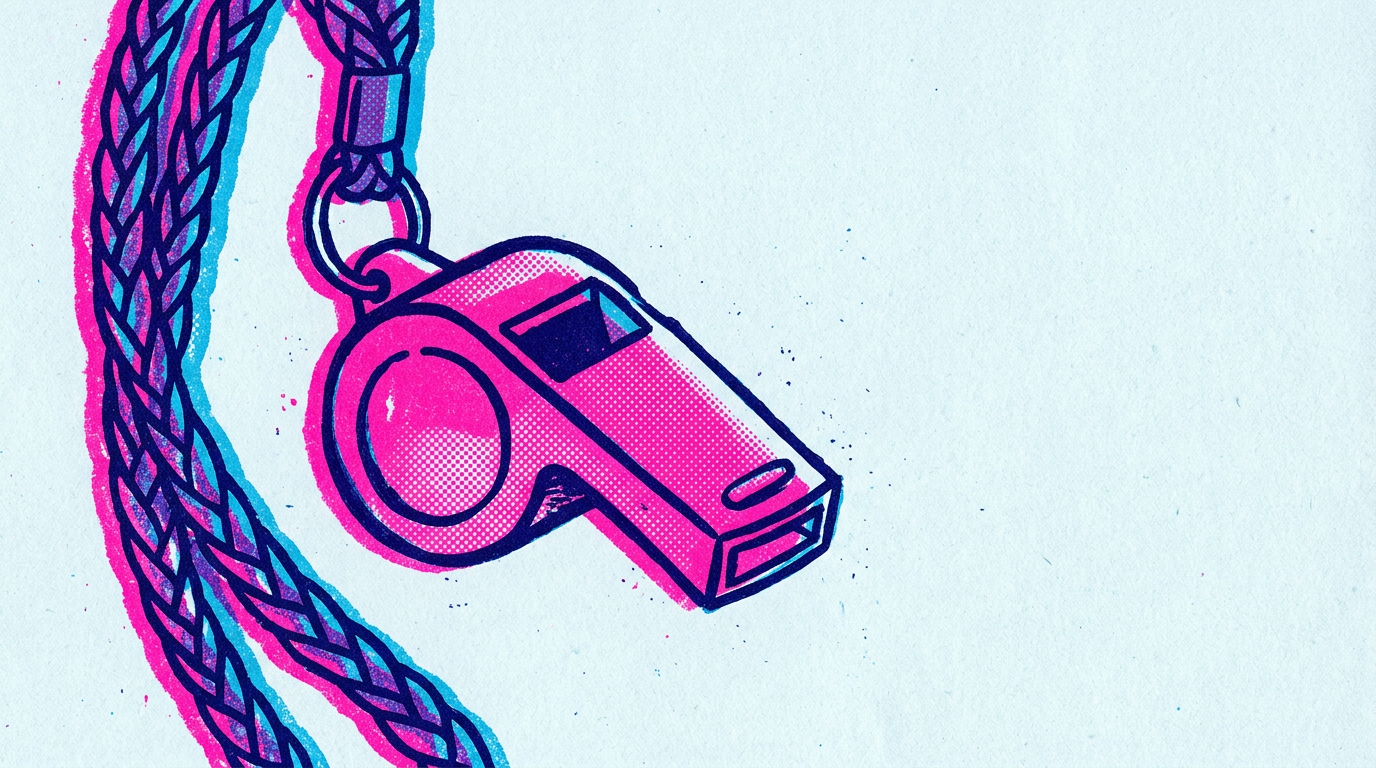
Be the coach, not the player. On taking the seat that directs a team of AI agents — and the practice it takes to get good at it.

Fable burns $160/hour and the internet is scandalized. Meanwhile, a $1,000/hour attorney moves $20M around a dead child. The wrong thing is expensive.

AI is making cognitive labor cheap. The meritocracy was built on it being scarce. Something has to give — and for once, that might be good news.

A finite brain masters only a few skills in a lifetime. Commanding a machine that learned everything is the new skill multiplier.

Spock beat a rogue AI by asking it to compute pi forever. The trick was fair — for a 1967 machine. Every gotcha since has the same expiration date.

LLMs are stateless. Every fact you give the model is re-fed as text each turn, then forgotten — the same weights answer a stranger's steak question a millisecond later.

A late friend had two sayings. The first one gets you started. The second one keeps you going. In the age of AI, the second one has gotten more useful, not less.
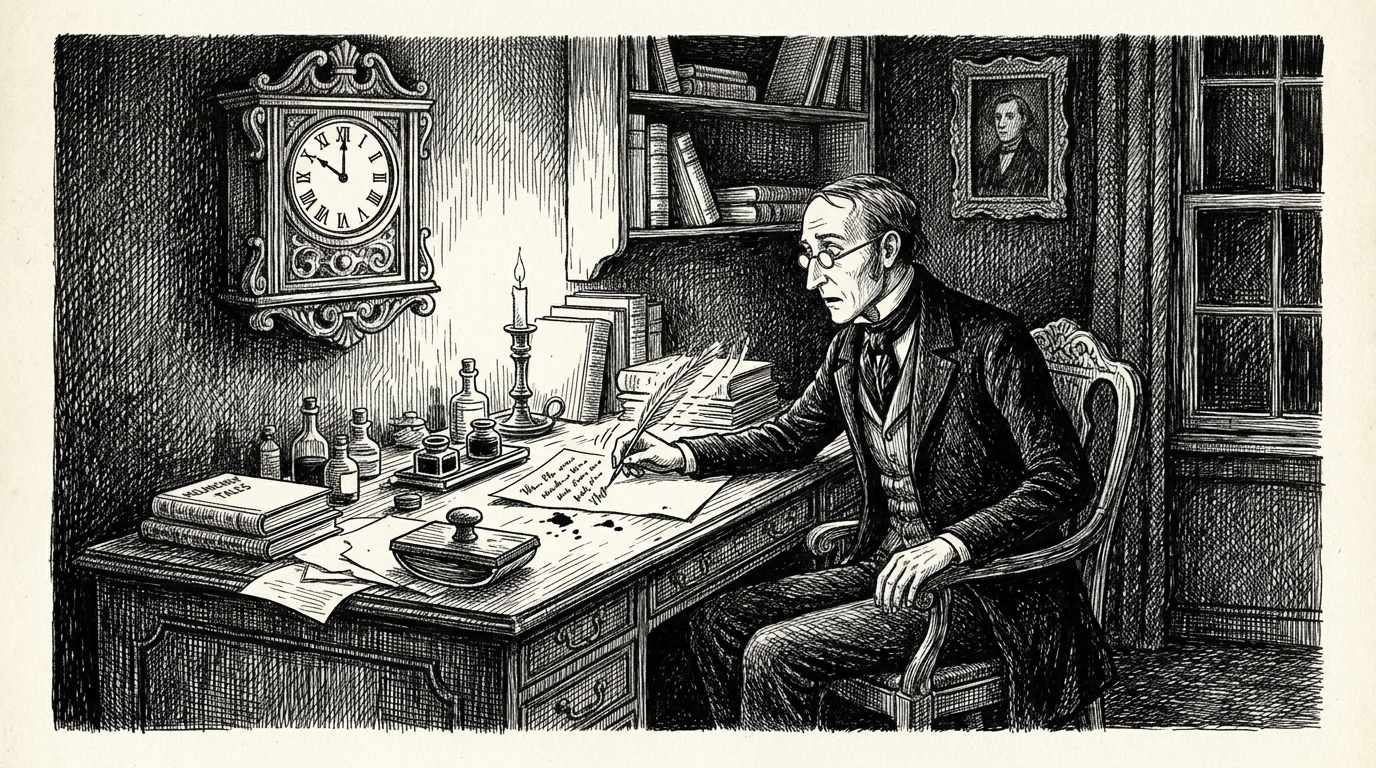
The neuroscience has been clear for decades. LLMs just gave us the first working schematic of why.
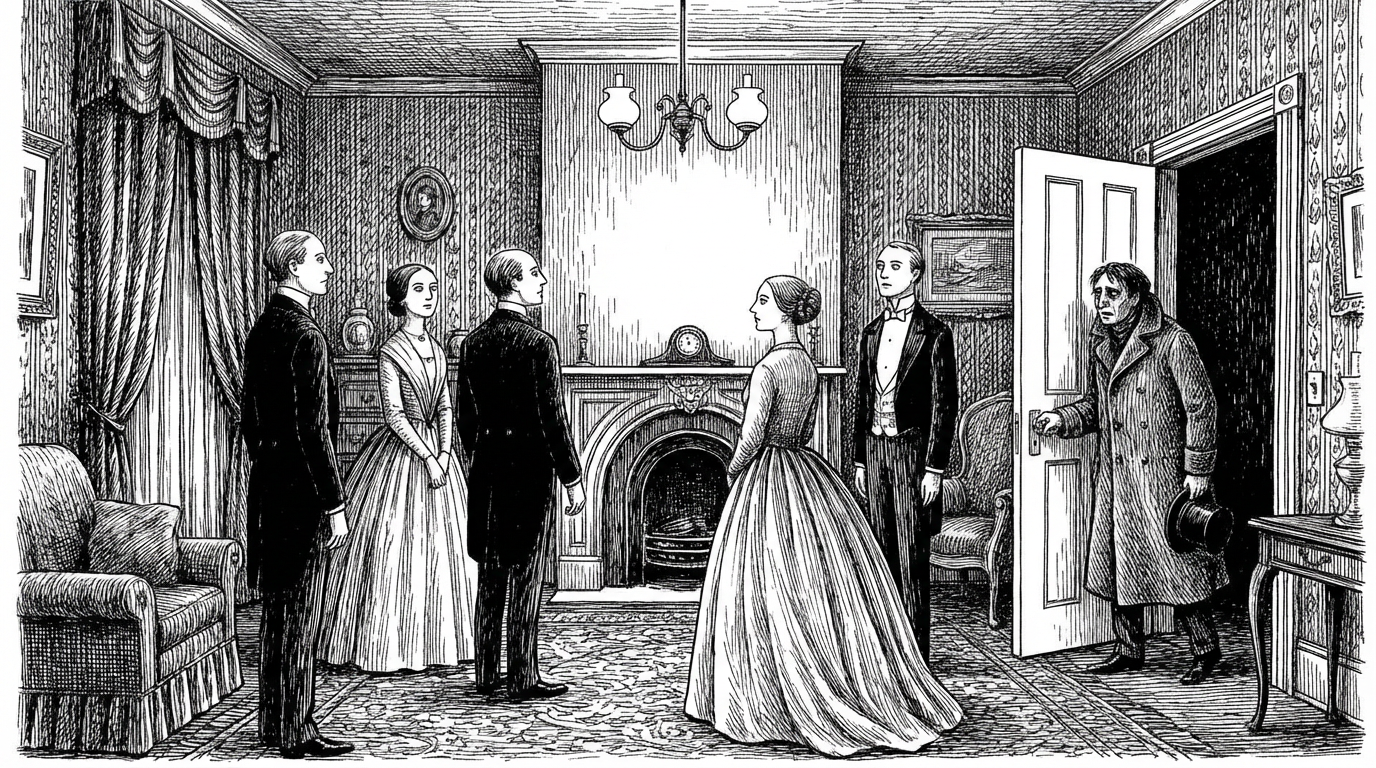
Before we debate AI governance, we should reckon with the test case already in evidence. We had the tools. We didn't use them. Here's why.