Manufacturers keep getting sold a chat window and told it is a transformation. Meanwhile quotes still take four days, the schedule still lives in a spreadsheet, and the person who knows the old line is retiring in March.
We find the work AI can genuinely take off your people, and build it into the systems you already run.
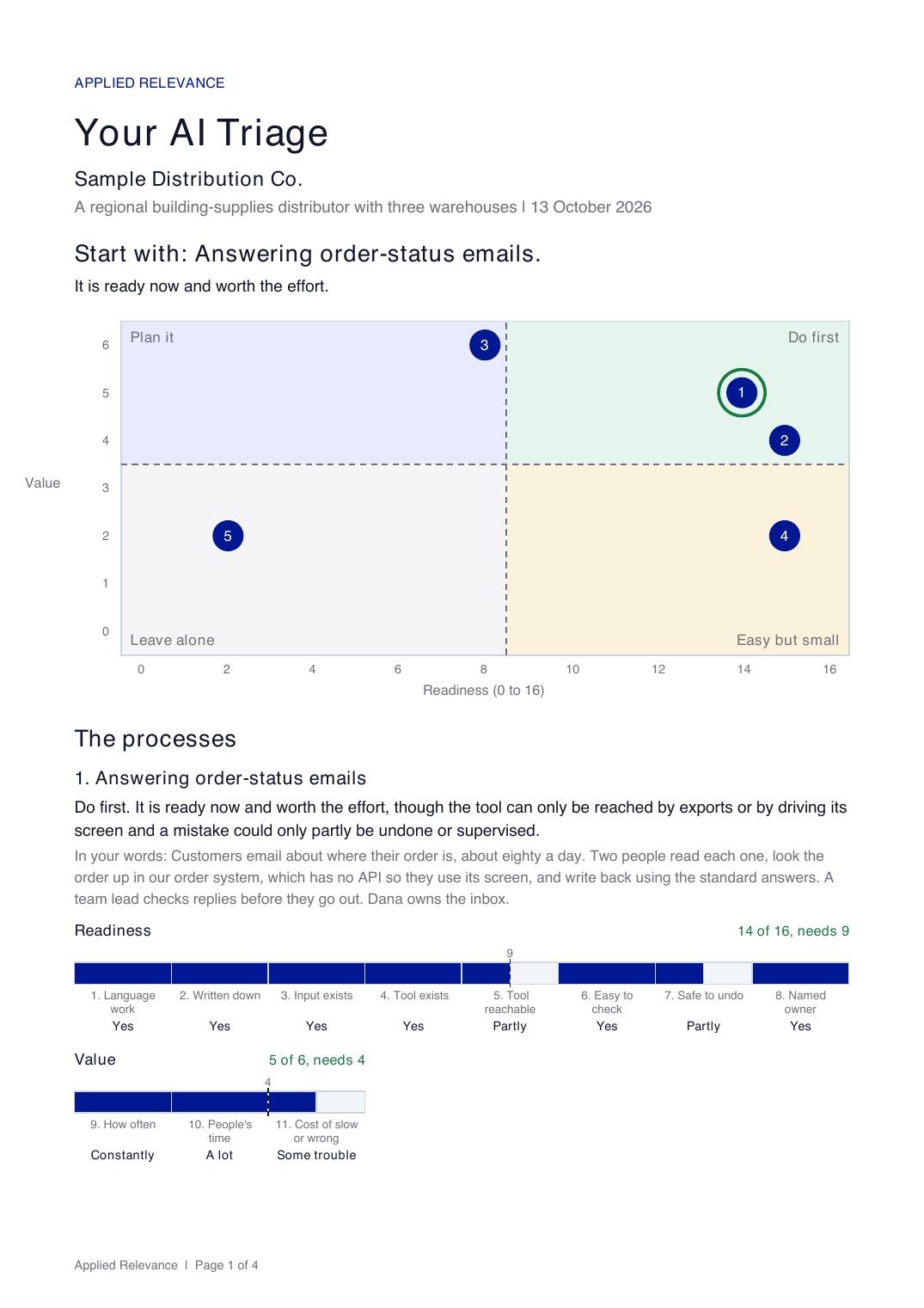
A two-minute self-check. No email required to see where you land.
Not the glamorous parts. The daily grind that never makes it onto a slide, and quietly sets how much you can take on.
An RFQ arrives as a PDF, a spreadsheet, and three emails. Someone rekeys it, digs out what you charged last year, and four days later you quote. The fast quote usually wins.
Production planning lives in one spreadsheet and one person’s head. When a machine goes down or a rush order lands, replanning is an afternoon of manual work.
Work orders get scrawled on paper, typed up later, and never read again. The pattern that would have predicted the failure was sitting in there the whole time.
Inspection records, certificate chases, audit prep. Real work, done by hand, that has to be right and has to be provable.
Thirty years of knowing which fixture drifts and which customer will accept the substitution is retiring in March, and none of it is written down.
The ERP holds the answer. Getting it out means a report request, a queue, and a week. So people guess instead, and mostly guess well enough.
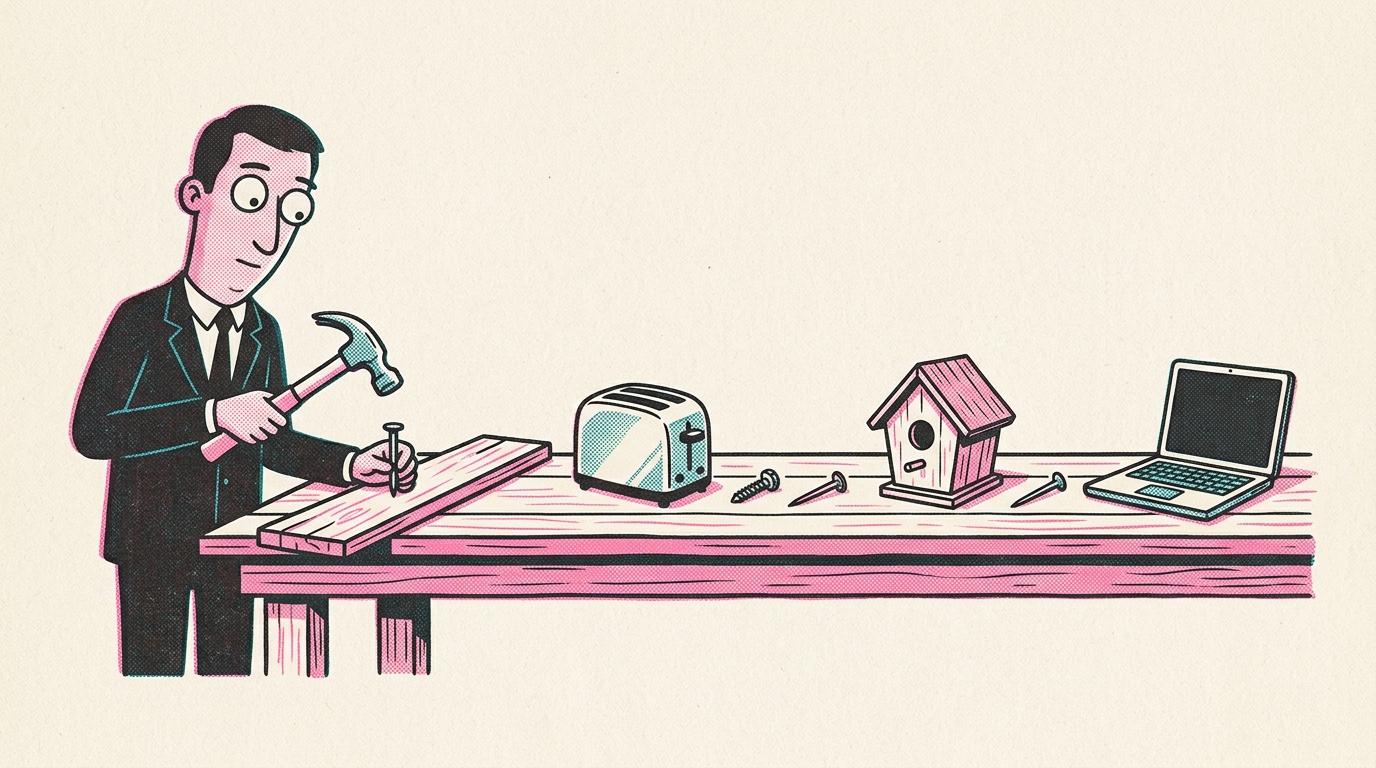
None of this is solved by a chatbot. All of it is work with a shape, and work with a shape is work AI can take a real share of.
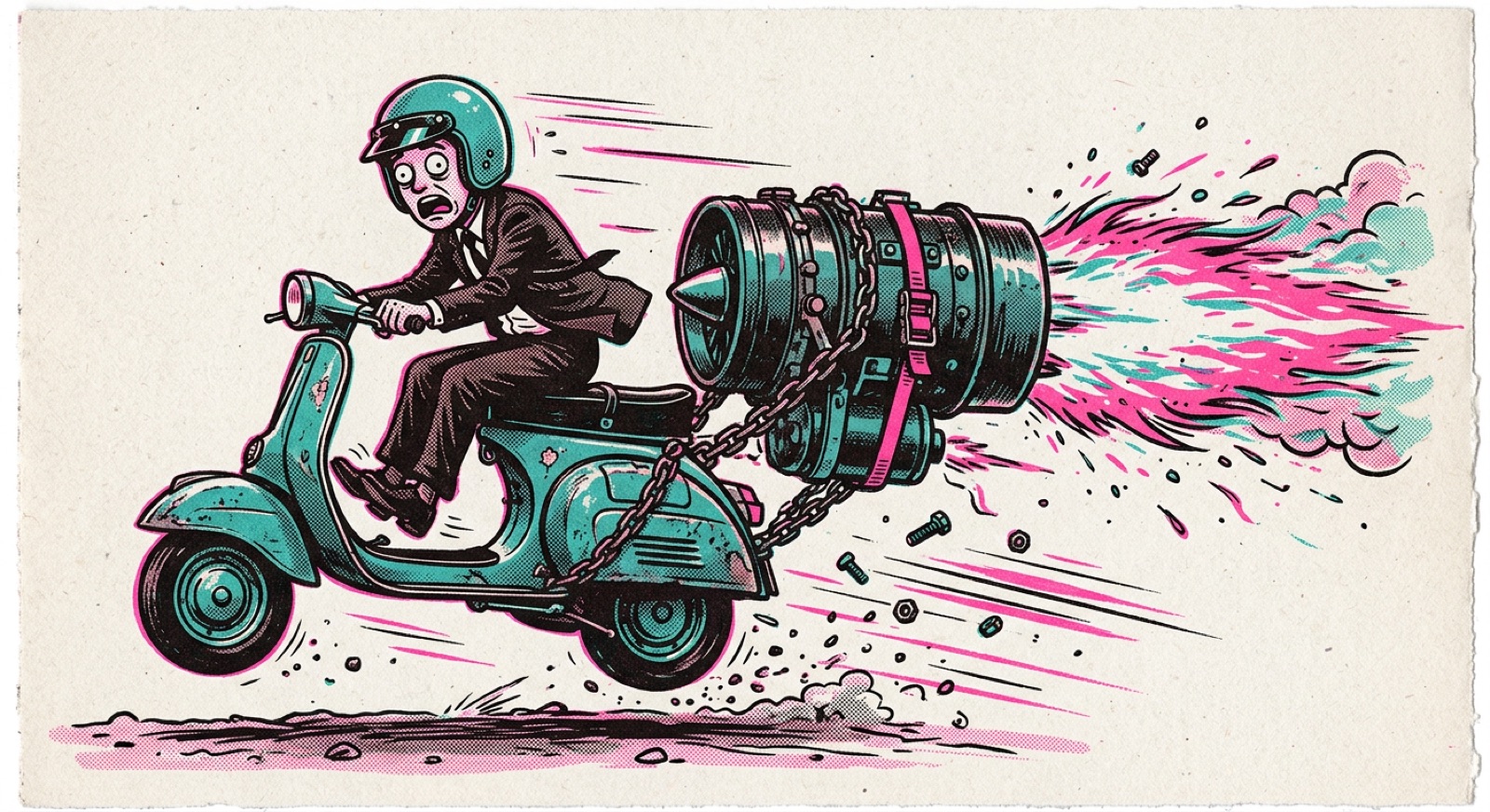
The demo is the easy part. Anything that runs in a plant has to survive contact with your data, your people, and your auditor.
Your parts, your customers, your tolerances, your pricing history. Generic AI gives generic answers. We ground it in your actual data so what comes back is about you.
Every answer traces back to the record it came from. Your people can check it in seconds instead of taking it on faith, which is the only way anyone will trust it.
Who can see what, what it is allowed to do, and a log of everything it did. The controls your auditor will ask about, built in from the start.
Like any other piece of equipment on your floor. We test it before it runs, and we keep testing it, because the models change underneath you.
Our own product runs a working warehouse. Epinomy ELMS drives Universal Robots arms and talks to PLCs over MODBUS TCP, and it deploys air-gapped for sites that will never put their operations on someone else's cloud.
We mention it because plenty of firms will tell you they understand a plant floor. Fewer of them ship software that has to work on one.
See Epinomy ELMSA path, not a pitch: start small, prove it works, then decide how far to take it.
We walk your operation, read your systems, and come back with the highest-leverage place to start. Costed, sequenced, and specific about what not to build and what to wait for.
1–2 weeks
We put it into the workflows that matter, on the systems you already run. Grounded in your data, with the access controls, logging, and audit trail to prove it holds.
5–10 weeks
This field changes every few months. We keep what you built working and keep your people current, so it does not quietly go stale a year after we leave.
Monthly
We have spent thirty years building systems for businesses that make and move physical things. We know the difference between what demos well and what survives a Tuesday on the floor.
We have no platform to sell you. We work in whatever you already run, and a fair amount of our value is telling you what not to build, or what to wait six months for because it is about to come free with software you already pay for.
We take on a small number of clients at a time.
Work with us