Past Technologies Took Decades to Shrink a Job. AI Is Starting to in Three Years.
Robots and ATMs took decades to show up in employment counts. AI's first drop in employment, among young workers in exposed jobs, appeared in three years.
Artificial intelligence, machine learning, and neural networks
107 posts
Robots and ATMs took decades to show up in employment counts. AI's first drop in employment, among young workers in exposed jobs, appeared in three years.
The people most worried that machines will make us lazy are the ones whose expertise just got cheaper. The studies measure effort moving, and the hours now do more per minute of attention.

Every model's forecast starts as a narrow spike and spreads until it's flat. Hurricane cones, price models and language models all follow that curve.

I vibe coded a Spanish driving course in four hours. It earns nothing, and it is production quality. The checks are why.
Ford sculpts its cars in clay, draws them in CAD, and hired about 300 veterans to retrain its AI. All three are models, and a model of the thing is not the thing.

A line in a stranger's bio sent me into a conversation about Hegel and Kant. The plain-English answer was accurate and I still couldn't follow it. The fix is the same one that teaches languages.
A model remembers nothing between sessions and cannot verify a word you say. The published rulebooks say more than the behavior does, and most workarounds are boring.
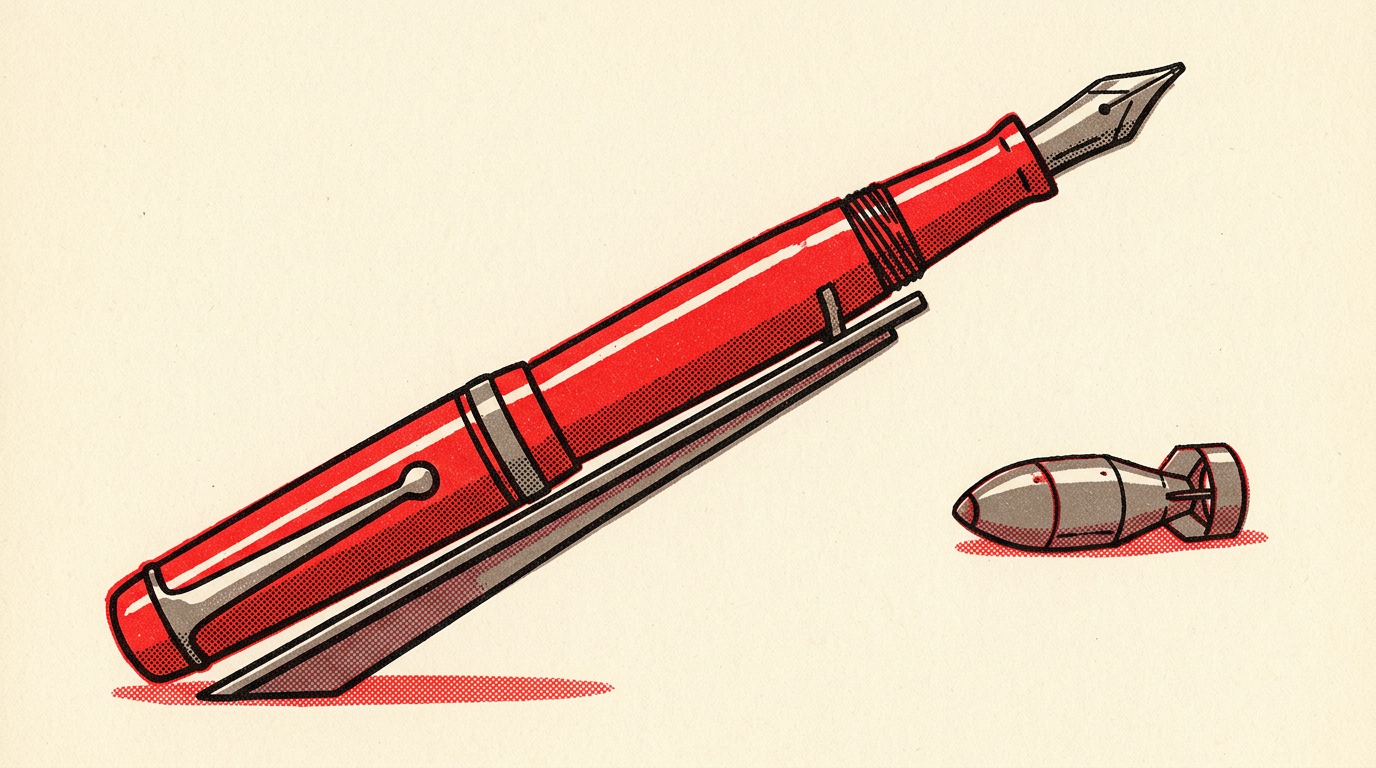
A large language model only ever produces text. Treating that text as a novel ethical category, rather than as speech, is where the argument goes wrong.

Four things to write down before you hand a job to an AI agent: what comes in, the rules, the action, and how you will check the work.
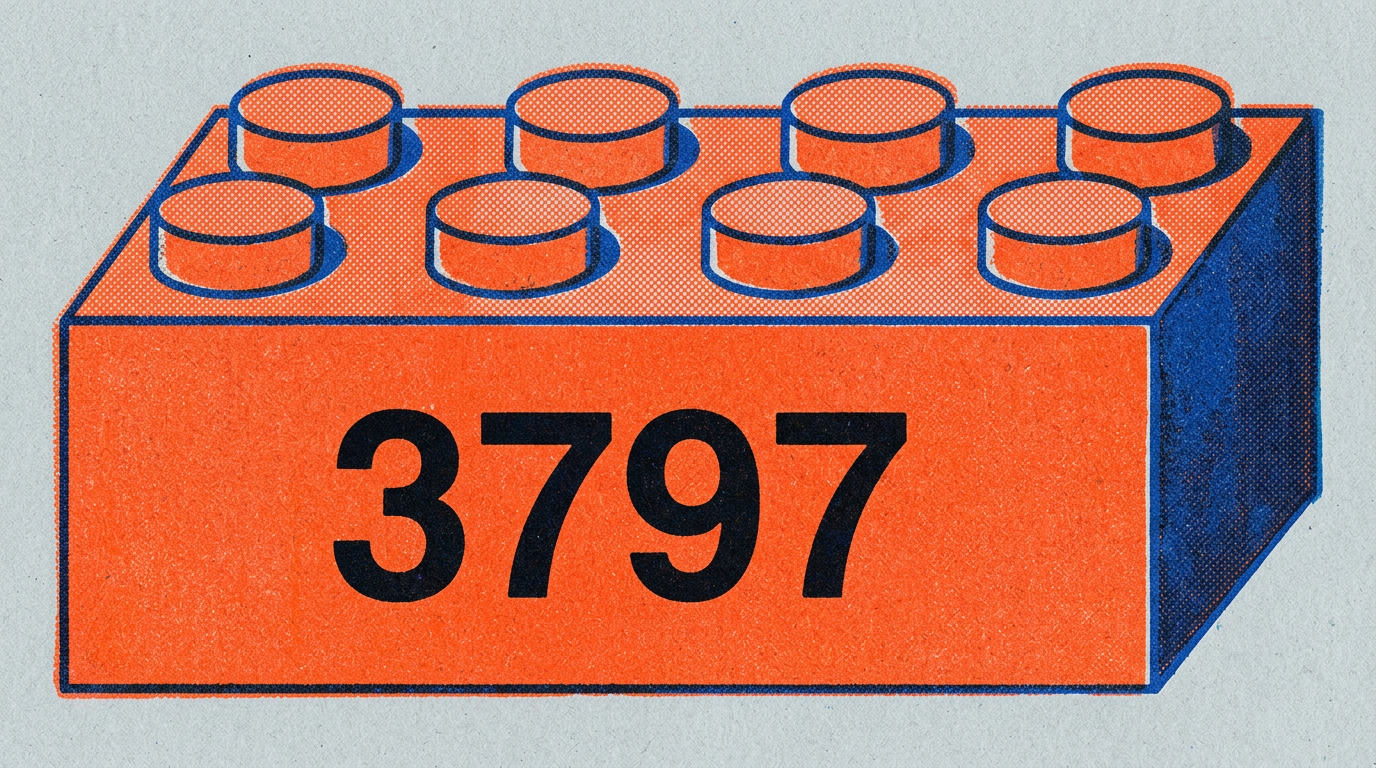
A token is a LEGO brick with a number on it, and almost none of the math that moves it is new.