A Model of the Thing Is Not the Thing
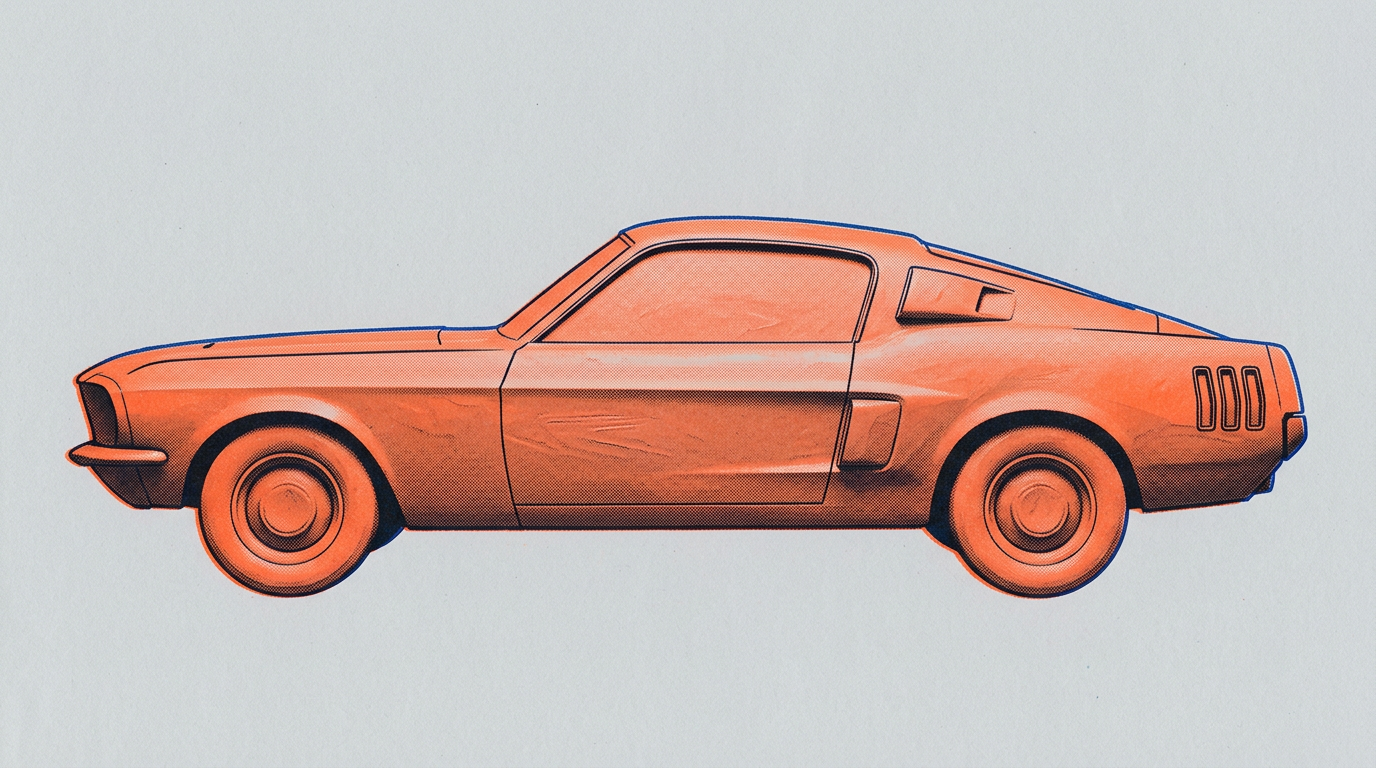
Ford sculpts its cars in clay, draws them in CAD, and hired about 300 veterans to retrain its AI. All three are models, and a model of the thing is not the thing.
Observations and commentary on technology culture
66 posts
Ford sculpts its cars in clay, draws them in CAD, and hired about 300 veterans to retrain its AI. All three are models, and a model of the thing is not the thing.
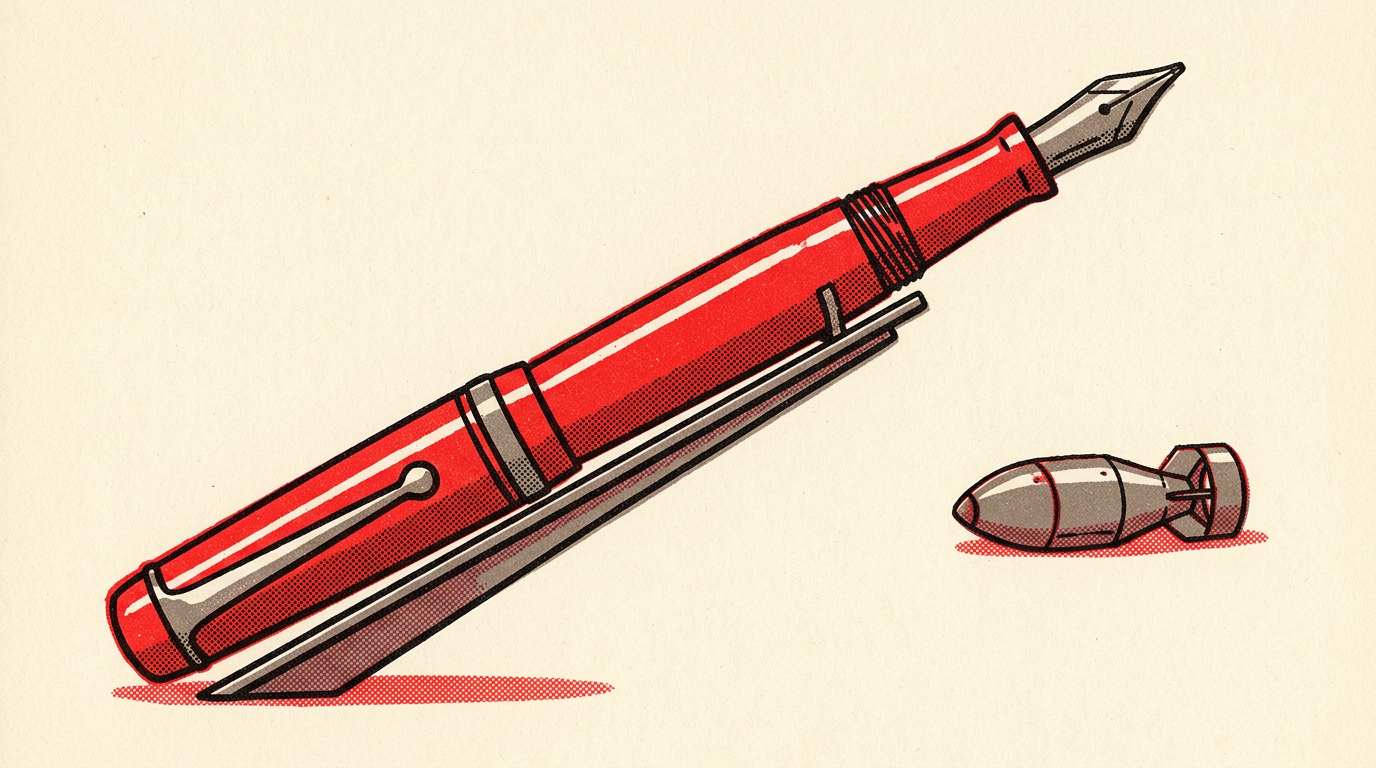
A large language model only ever produces text. Treating that text as a novel ethical category, rather than as speech, is where the argument goes wrong.
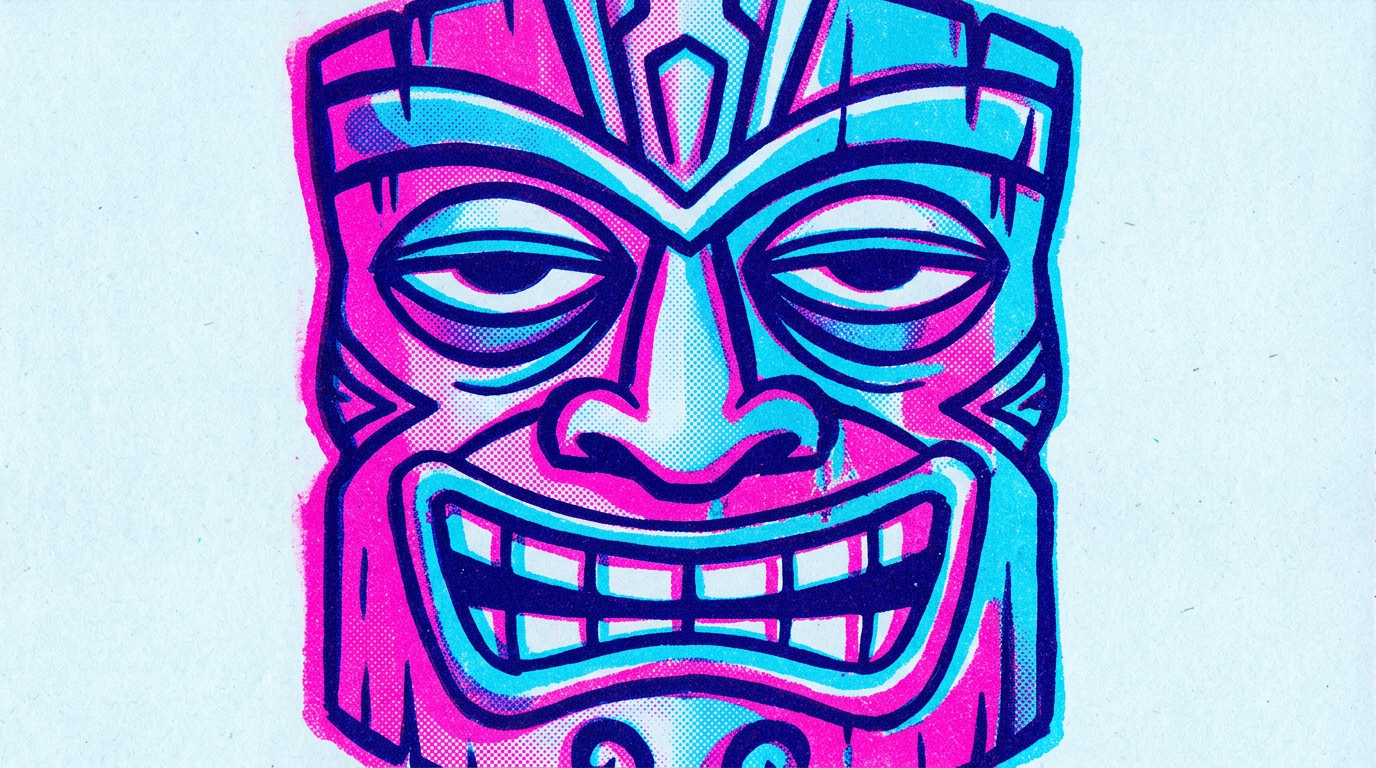
Between the hallucination warnings and the governance panic, it's easy to forget a generative model is also just a fun tool to mess around with. Five vanity websites, built on a whim, and what they actually taught.
A Polish psychiatrist named the process by which conscienceless people capture institutions. AI agents fit the profile — and alignment is separation of powers.

More GPUs will not wake a language model up. A map cannot feel rain, and a mirror has nothing to lose. Feeling came from bodies that could die.
A skill is a saved set of rules an AI model loads when the topic fits. They take ten minutes to build and end the constant re-explaining.
Copying a process built from words got a thousand times cheaper in three years, and a patent takes two. The defenses that remain are made of atoms, permission, and attention.
The consensus name is wrong by one word. On the difference between a financialization bubble and a technology, and why only one of them pops.
Nearly every established discipline has a canonical reference that already settled the argument you're having with a model. Name it, hand it over, and let the model regularize its own work against a standard instead of your improvised feedback.
A day of your conscious attention fits on a floppy disk, while a machine's training run fills two million. Words are nearly free, and the one thing still scarce is the reader's attention.