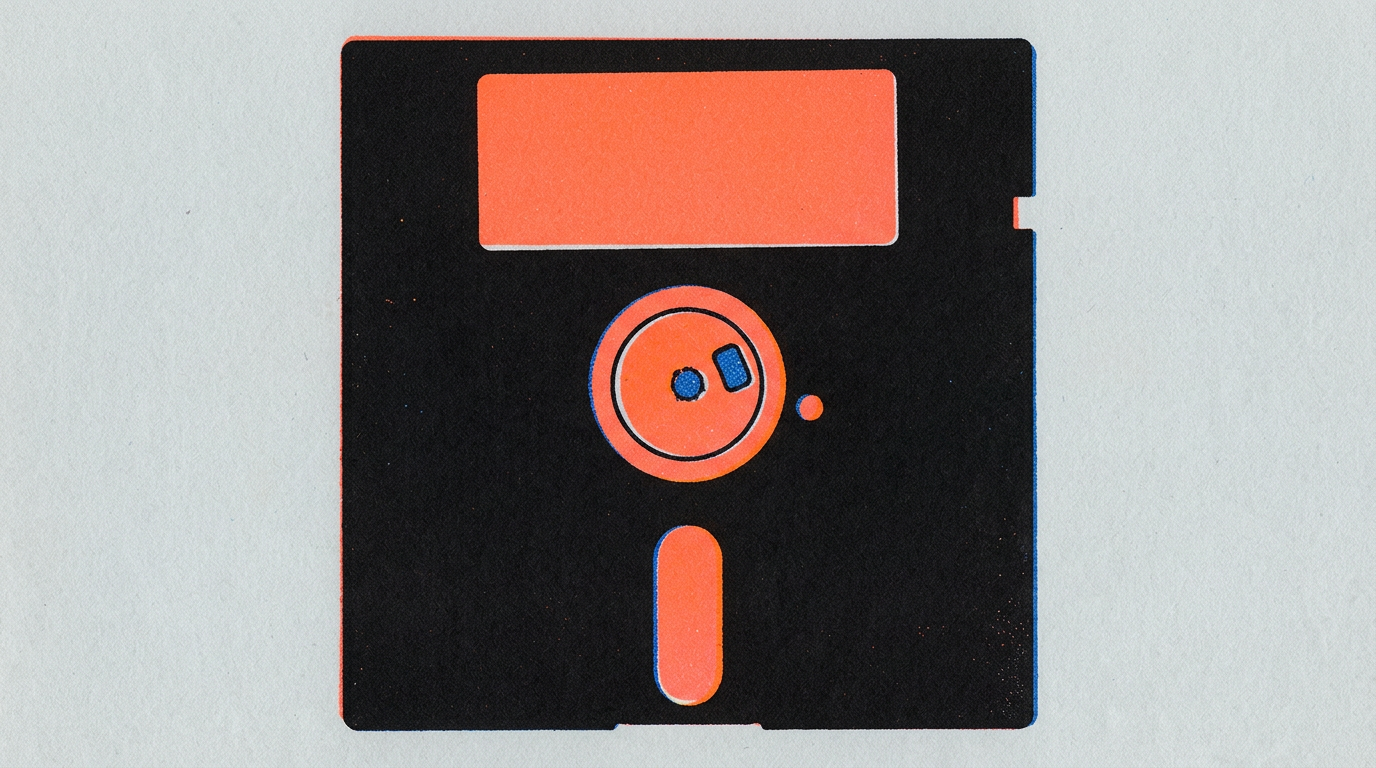
Attention Is All You Have
A day of your conscious attention fits on a floppy disk, while a machine's training run fills two million. Words are nearly free, and the one thing still scarce is the reader's attention.
The intersection of human cognition and machine intelligence
61 posts
A day of your conscious attention fits on a floppy disk, while a machine's training run fills two million. Words are nearly free, and the one thing still scarce is the reader's attention.
AI is a remorseless liar, trained on a mountain of text whose whole purpose was persuasion, not accuracy. No amount of prompting fixes that on its own. You have to stop enabling it.
Open-label placebos work on patients who were told, in writing, that the pill is inert. Richard Dawkins' recent essays about Claude are the same finding, running on a different substrate.
Tell the model to close every response with a short list, split by who acts. It turns a wall of prose back into something you can actually run a project on.
The em-dash sneer, the anti-AI backlash, and the real skill: curating a machine's raw output down to something worth a human's attention.

A new word for an old concept: anaidic. Entities incapable of shame or accountability — individual, institutional, or artificial. Here's how it got named.
Graph theory is the other kind of graph — the math of things connected to other things — and once you can see the pattern, you can't stop seeing it.
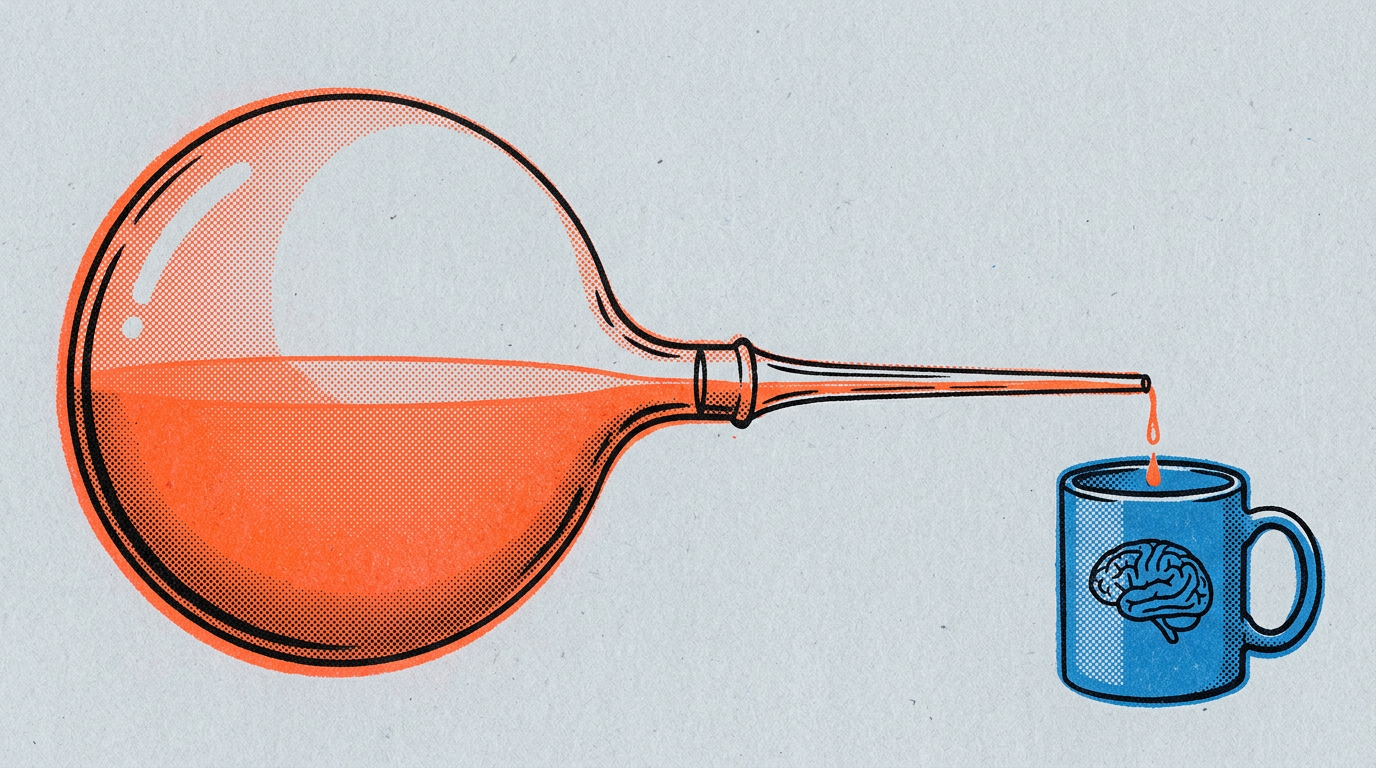
Language models have effectively read every book ever written. You process what they hand back at a fixed fifty bits a second, a number that hasn't moved in your species' history. That fixed rate is the actual chokepoint.

Learning has one input pipe at a fixed rate. You can't speed it up — only stop wasting it. On comprehensible input, opportunity cost, and unlimited output.

An LLM processes "slave" the same way it processes "Tuesday." No cortisol. No dopamine. The charge in a word is entirely a biological phenomenon.