
Things You Want to Do
Now that you don't have to do the thing — what do you actually want to do? The closing post of the What's Left series.
Artificial intelligence, machine learning, and neural networks
103 posts
Now that you don't have to do the thing — what do you actually want to do? The closing post of the What's Left series.

The AI bubble has specific predecessors: dark fiber, Pets.com, Enron's accounting, CDO tranching. The technology is real. The business models layered on top are familiar.

Sentience requires a limbic system. Consciousness requires sentience. Current AI has neither. The NPC test shows what that costs it.
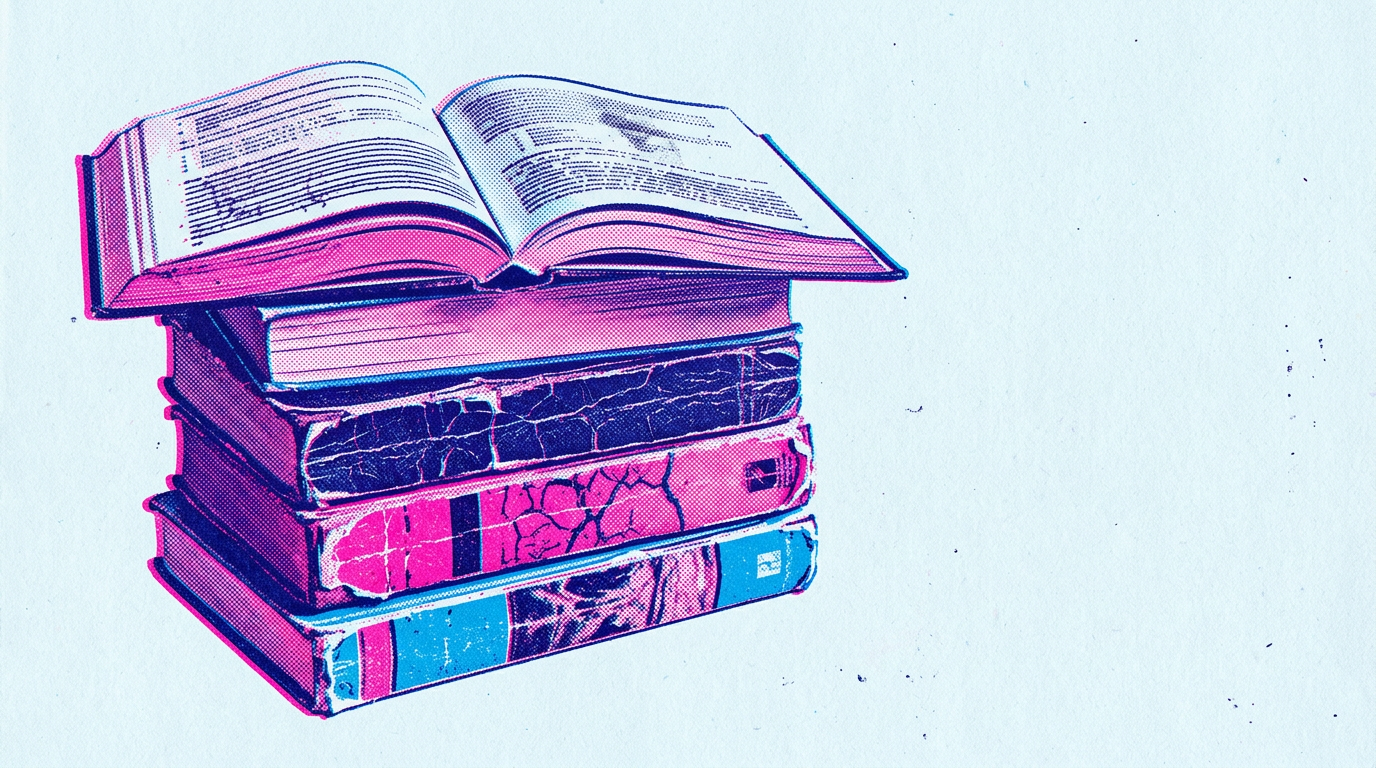
Every expert has fundamentals they forgot or never properly learned. The reason those gaps survive a whole career is that asking has always cost something — and in one place it no longer does.

AI can generate perfect Spanish content all day. It cannot acquire Spanish on my behalf. The brain's work turns out to be the irreducible part.

Three anaidic shapes — the individual, the corporation, the LLM. Each routes accountability to nowhere. The pattern is old. The word is new.
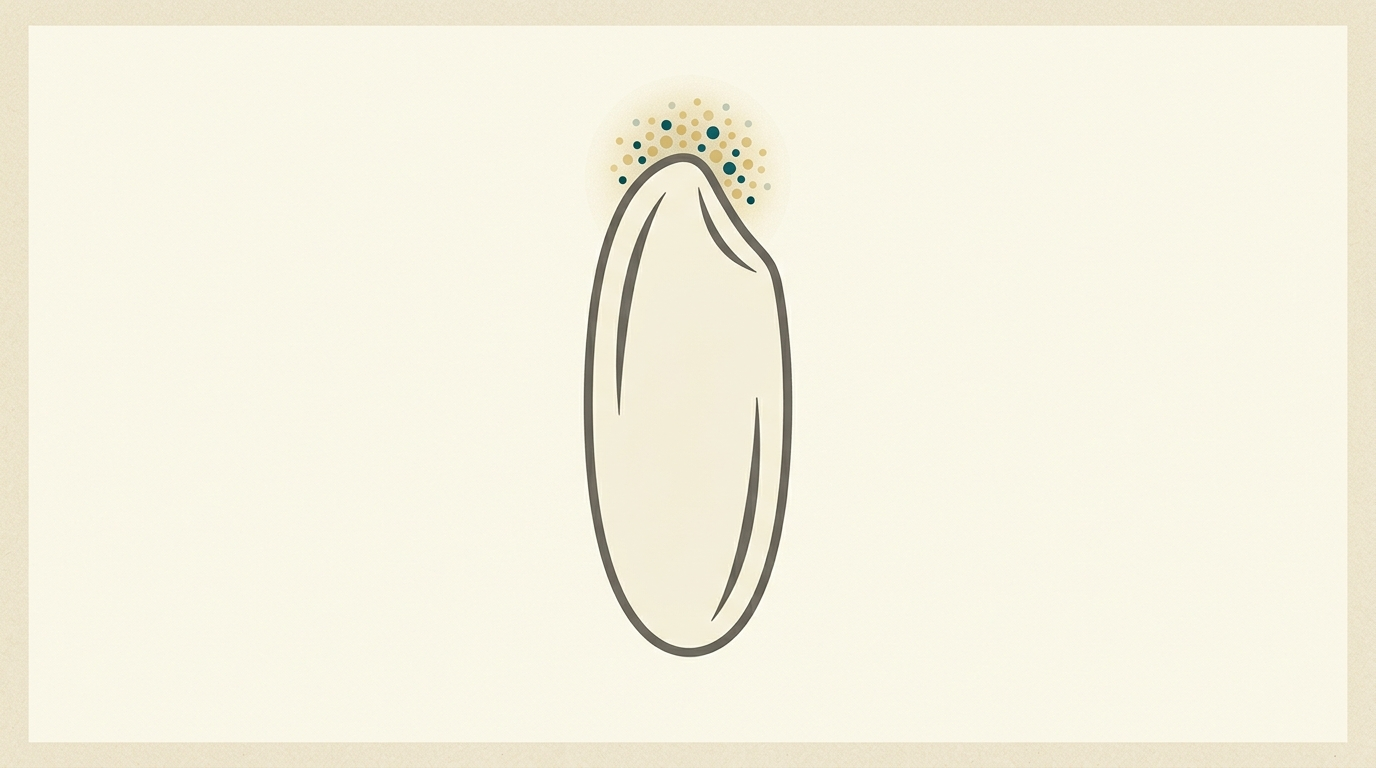
A young scientist grows human mini-brains from skin cells — what organoids, a 302-neuron worm, and language models reveal about the spectrum of intelligence.
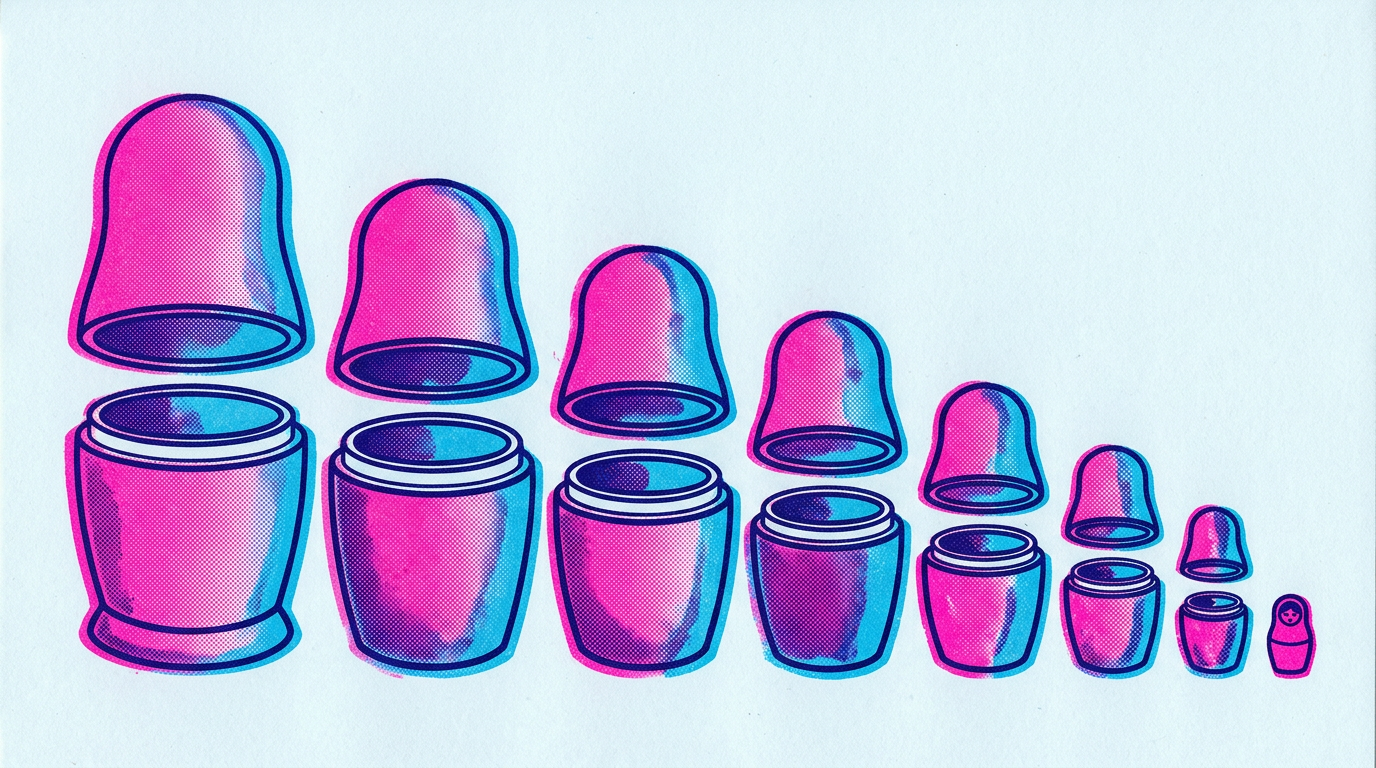
Halfway through a long session, stop and ask for the five-year-old version. You find out whether you are still working on the same problem — and whether the reasoning underneath survives being said in short words.

How you configure your AI assistant — what you make it call you — says nothing about the AI. It's a bumper sticker. You're the truck owner.

I built an AI skill to write in my voice. Its own files warn the voice may be a loop — the machine's habits, published under my name, taught back as mine.